
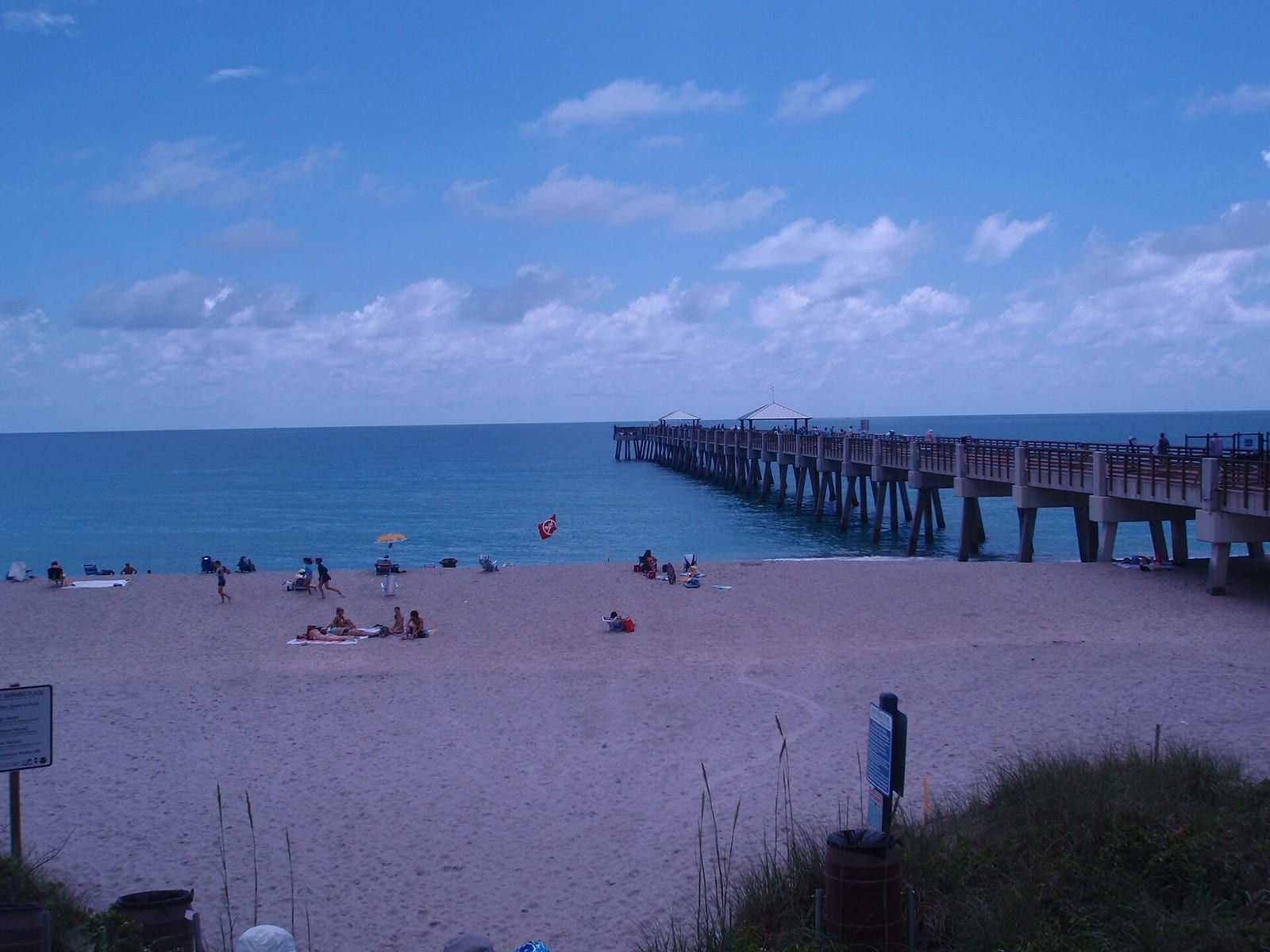
Juno Beach is a small town of about 3,900 people (3,858 at the 2020 Census), incorporated in 1953. It sits on a barrier island: the town’s history notes the area was connected to the mainland until the Intracoastal Waterway was dug. U.S. 1 and A1A (Ocean Drive) both run through town, and natural areas cover about half of the town’s land, including the 569-acre Juno Dunes Natural Area, which stretches from the ocean to the Intracoastal.
Homes: oceanfront condos and the neighborhoods behind them
The town’s history describes how it grew: residential lots on the higher ground west of Ocean Drive were sold from the late 1940s, and land the town annexed to the north after 1957 became the part of town with today’s high-rise condominiums. The first condominium was built in 1966.
If you’re looking at a condominium, Florida’s condominium safety laws apply. Associations must complete a structural integrity reserve study for buildings of three or more habitable stories, at least every 10 years, and buildings of a certain age must have milestone inspections. Ask for the association’s most recent study, inspection report and reserve status before you buy, since they can affect assessments.
Beaches and the pier
Palm Beach County runs the beach parks:
- Juno Beach Park on U.S. 1, with a guarded beach and a designated surfing area.
- Loggerhead Park, about 19 acres with a guarded beach, a nature trail and picnic shelters. Loggerhead Marinelife Center, a nonprofit sea turtle hospital and research center, is in the park.
- The Juno Beach Pier, about 990 feet long, managed by Loggerhead Marinelife Center. The pier’s license covers anglers, so you don’t need a separate fishing license. A refurbishment began in June 2026 and parts of the pier have been closed at times since, so check its status before you go.
Dogs aren’t allowed on county beaches (service animals excepted). The nearest place to take a dog to the beach is Jupiter Dog Beach, just to the north.
Sea turtles and lighting rules
Loggerhead Marinelife Center describes Juno Beach as one of the world’s most densely nested sea turtle beaches. Nesting season runs March 1 through October 31.
That matters for owners near the beach. The town applies sea turtle lighting rules to properties within 600 feet of the mean high-water line, which can include homes on the west side of Ocean Drive. In that zone, replacing exterior lighting or windows with a line of sight to the beach needs a Sea Turtle Lighting Permit. Exterior fixtures must be shielded and point downward, and during nesting season bulbs must be long-wavelength (amber, orange or red).
Schools
Juno Beach is served by the School District of Palm Beach County, but which schools serve a home depends on the street, so don’t rely on a listing description. Enter the exact address in the school district’s Find My School tool.
Storms and flood zones
On a barrier island, look up the address’s hurricane evacuation zone with Palm Beach County’s Know Your Zone tool and its flood zone before you buy. The town’s flood information page names U.S. 1 as the main evacuation route.
If you’re away part of the year
The Juno Beach Police Department offers house checks for owners who are away, with a House Check Request Form on its Services page. That’s a patrol check from outside. For regular visits inside the home, with photos after each one, see how home watch works.
Building permits go through the town’s Building Department. Sea turtle lighting permits are reviewed by the town’s Planning & Zoning and Code Compliance staff.
Common questions about Juno Beach
Does Juno Beach have a public beach?
Yes. Palm Beach County runs two beach parks in Juno Beach: Juno Beach Park on U.S. 1, with a guarded beach and a designated surfing area, and Loggerhead Park, about 19 acres with a guarded beach, a nature trail and picnic shelters. The Juno Beach Pier, about 990 feet long, is managed by Loggerhead Marinelife Center.
Can you bring a dog to the beach in Juno Beach?
Not on the county beaches. Dogs are not allowed on Palm Beach County beaches, including Juno Beach Park and Loggerhead Park, though service animals are permitted. The nearest beach for dogs is Jupiter Dog Beach, just north of Juno Beach, where dogs may be off leash from sunrise to sunset between dune crossovers 26 and 57.
When is sea turtle nesting season in Juno Beach?
Sea turtle nesting season in Juno Beach runs from March 1 through October 31. Loggerhead Marinelife Center describes Juno Beach as one of the world's most densely nested sea turtle beaches. During the season, the town's lighting rules require long-wavelength bulbs (amber, orange or red) in exterior fixtures on properties near the beach.
Do I need a permit to replace windows or outdoor lights in Juno Beach?
Possibly. Juno Beach applies sea turtle lighting rules to properties within 600 feet of the mean high-water line, which can include homes on the west side of Ocean Drive. In that zone, replacing exterior lighting or windows with a line of sight to the beach requires a Sea Turtle Lighting Permit, and exterior fixtures must be shielded and point downward.
Are there condos in Juno Beach, FL?
Yes. Juno Beach's first condominium was built in 1966, and land the town annexed to the north after 1957 became the part of town with today's high-rise condominiums. Under Florida law, condo associations must complete a structural integrity reserve study at least every 10 years for buildings of three or more habitable stories, and older buildings need milestone inspections.
Is Juno Beach, FL in a flood zone?
Juno Beach sits on a barrier island, so flood risk is worth checking for every address. Before buying, look up the home's flood zone, which the town covers on its Flood Hazard Information page, and its hurricane evacuation zone with Palm Beach County's Know Your Zone tool. The town names U.S. 1 as the main evacuation route.