
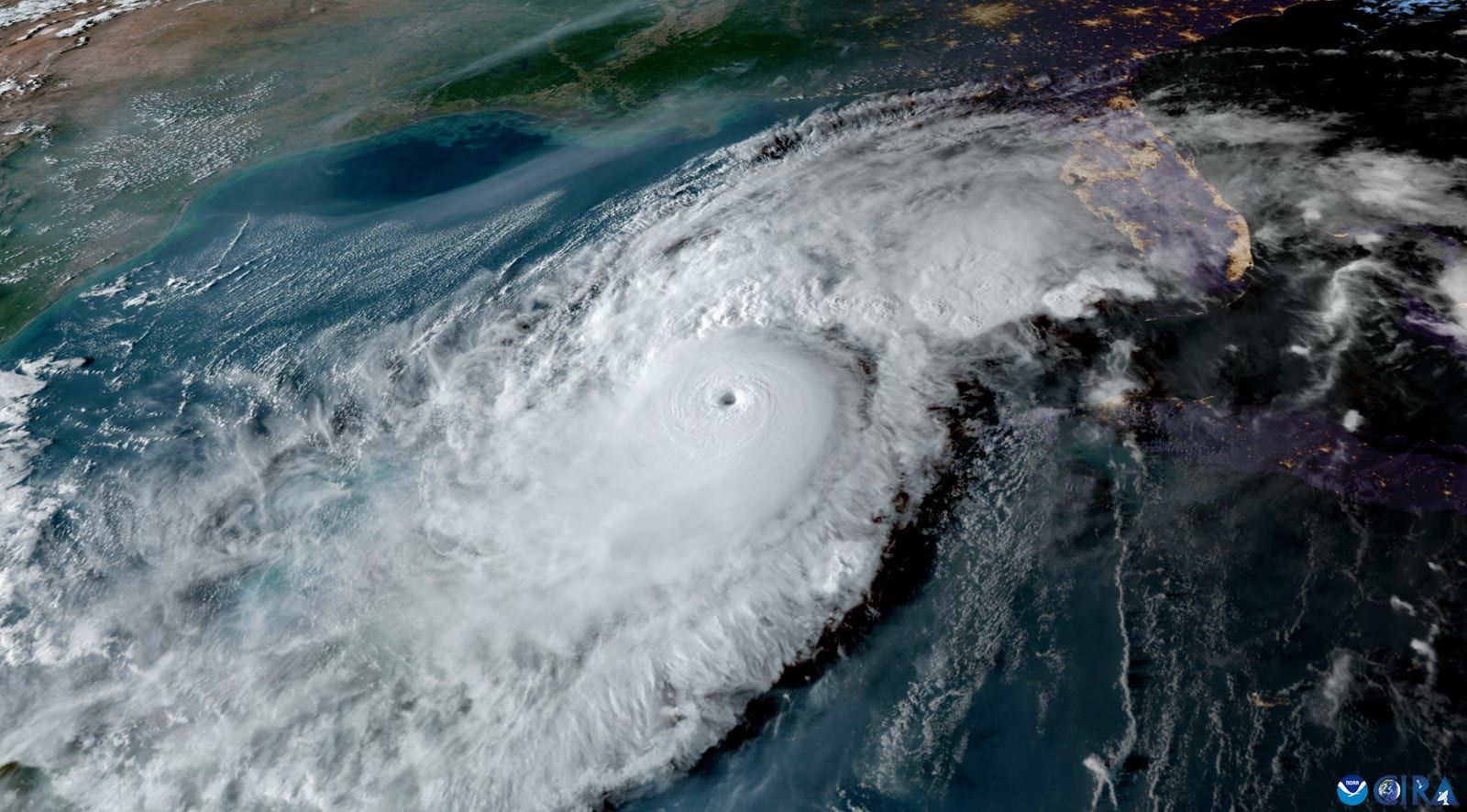
The Atlantic hurricane season officially runs from June 1 to November 30, according to the National Hurricane Center, and storms sometimes form outside those dates. For many seasonal owners that’s exactly when the house is empty. The work is mostly done before you leave, plus a plan for who will act for you while you’re gone.
Before you leave
Palm Beach County’s Hurricane Planning Guide and Ready.gov recommend the same basics:
- Shutters or impact protection. Buy shutters before a storm is close; the county’s guide says they should attach to the house’s structural framing, not to window or door frames. If you rely on shutters rather than impact glass, decide now who will put them up and take them down.
- Outdoor items. Bring in or store patio furniture, trash cans, grills, wind chimes, flags and awnings. Anything left outside can become a missile in high wind.
- The yard. Trim trees and clear debris, and clear drains and gutters.
- Gates and doors. Secure gates, and make sure everything locks.
Before you go, also look up your home’s evacuation zone with the county’s Know Your Zone tool. When an evacuation order names your zone, you and whoever is looking after the house will know it applies.
Documents and insurance
The Florida Department of Financial Services recommends a home inventory: photos or video of each room, with receipts, purchase dates and serial numbers where you have them. Keep copies of the inventory and your policies somewhere safe that you can reach from anywhere; Ready.gov suggests a secure, password-protected digital copy.
Know your claim deadline. Under Florida law (s. 627.70132), notice of a new or reopened property insurance claim must reach your insurer within one year after the date of loss, and a supplemental claim within 18 months. For a hurricane, the date of loss is the date it made landfall. Check the statute and your policy for the current rules.
Florida no longer has a hurricane sales tax holiday. Since August 1, 2025, some preparedness items, including portable generators of 10,000 running watts or less, gas or diesel cans of 5 gallons or less, tarps of 1,000 square feet or less, and AA, AAA, C, D, 6-volt and 9-volt batteries, are exempt from sales tax all year. The Department of Revenue publishes the full list.
Staying informed from out of state
Sign up for AlertPBC, Palm Beach County’s emergency notification system; the county’s flood information page links to the sign-up. The county also publishes a Hurricane Planning Guide and points residents to ReadyPBC.com.
Make sure someone local has a key, your alarm code, your insurer’s contact details, and your permission to act: to check the house, take photos, and let in a contractor or adjuster.
After a storm
Official guidance is consistent on safety:
- Don’t walk, swim or drive through floodwater. Ready.gov notes that six inches of fast-moving water can knock you down and a foot can sweep a vehicle away, and that floodwater can carry contaminants and be electrified by downed lines.
- Run generators only outdoors, at least 20 feet from windows, doors and attached garages, because of carbon monoxide.
- Document damage before you clean up. FEMA’s flood insurance program advises photographing and recording damaged items before you clean, repair or throw anything away, and contacting your insurer as soon as possible.
Where home watch fits
A home watch service can carry out much of this plan for you: checking the house before a storm, reporting with photos afterward, and letting in contractors or adjusters with your approval. Visits are visual inspections; repairs are done by licensed contractors you choose.